Air Scrubbers, Drying and Cleanup Terms Every Central Florida Property Owner Should Know
If you own a home, manage rentals, or oversee a commercial building in Central Florida, you will hear a lot of technical language the moment water gets where it should not be, mold starts showing up around an air handler, or smoke odor hangs on after a fire event. Some of those terms are useful. Some get tossed around loosely. A few sound interchangeable when they are not.
That matters here more than it does in drier parts of the country. Central Florida buildings deal with long humid stretches, heavy afternoon storms, hurricane season, and the constant push and pull between cooled indoor air and hot outdoor moisture. In places like Groveland, Clermont, Minneola, Mascotte, Howey-in-the-Hills, Mount Dora, and Leesburg, the same basic scenario plays out again and again. A roof leak, an AC issue, a plumbing failure, or storm intrusion starts small, then moisture lingers in drywall, flooring, framing, or contents longer than people realize.
When that happens, property owners often end up making decisions fast, sometimes while fielding insurance questions, tenant calls, and contractor recommendations all at once. Knowing the language helps you ask sharper questions and avoid costly delays.
The words people mix up most often
The pair I hear confused more than any other is mitigation vs remediation. They are related, but they are not the same thing.
Mitigation is about limiting damage right now. Think emergency extraction after a pipe break, setting up dehumidification and air scrubbers, pulling wet baseboards where necessary, or stabilizing a property so the problem does not spread. If a ceiling is dripping into a hallway in the middle of the night, mitigation is the urgent response.
Remediation is the process of correcting a contamination or damage condition in a more complete way. In the mold world, commercial mold remediation usually means removing affected materials when needed, cleaning under proper containment, and addressing the moisture source that allowed growth in the first place. If the mold is gone for a week but the roof leak is still active, the work is not really finished.
Property owners often get into trouble when they assume mitigation alone solves everything. It may stop the immediate spread of damage, but it does not automatically return materials, air quality, or building systems to a healthy condition.
Another phrase that gets used loosely is “cleanup.” Cleanup can mean almost anything, from basic surface wiping to a more controlled restoration process. It is not a technical standard by itself. If someone says, “We’ll clean that up,” the better follow-up is, “What exactly are you doing, and what problem does that solve?”
Why air scrubbers matter, and what they do not do
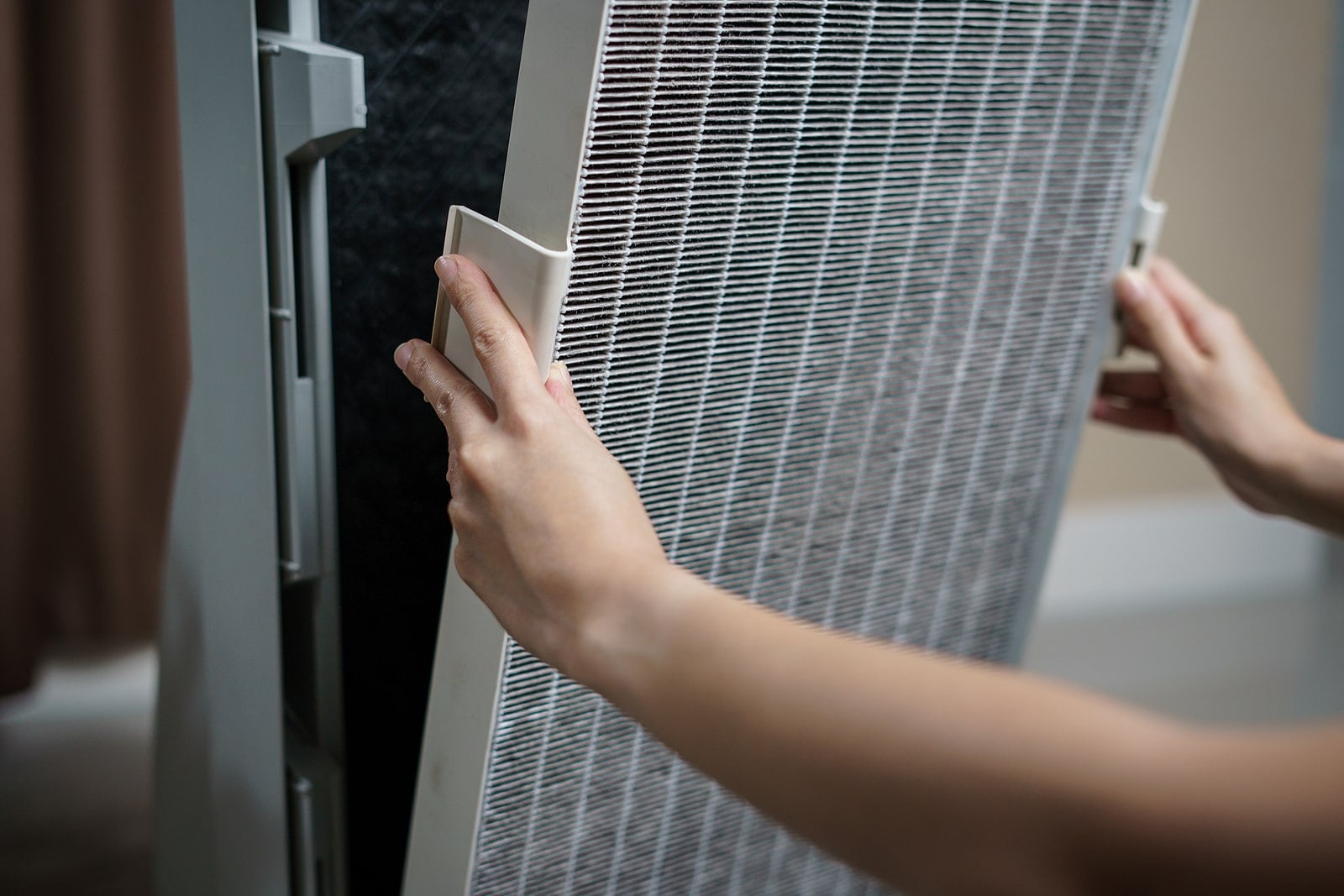
An air scrubber is a filtration device used to clean the air by pulling it through filters designed to capture particles. In practical jobsite terms, air scrubbers are often brought in when there is dust, debris, or airborne particulate concern during drying or restoration work. They are common in projects where indoor air quality Florida property owners are worried about has been affected by water damage, mold-related disturbance, or smoke residue.
A good air scrubber is not magic. It does not replace fixing the source of the problem. It does not dry wet framing by itself. It does not make hidden contamination disappear behind walls. What it can do is reduce airborne particulates in the work area and support cleaner conditions during active restoration.
That distinction matters because people often hear “air scrubber” and assume the machine is purifying the entire house in a broad, permanent way. In reality, it is one tool in a larger strategy. On a job with wet carpet, soaked pad, humid air, and saturated drywall, the air scrubber addresses one piece of the problem. Drying equipment, moisture control, material decisions, and source repair still drive the outcome.
I have seen owners spend a lot of energy asking how many air scrubbers they need, when the more important question was why moisture remained in the structure three days after the event.

Dehumidification is not just “putting fans out”
When contractors talk about dehumidification and air scrubbers, they are talking about two different functions. Air movement helps evaporation. Dehumidification removes moisture from the air so evaporation can continue instead of stalling.
That difference is easy to miss in Florida, where outdoor humidity can already be high enough to slow or complicate drying. If wet materials are left in a closed building and the air stays damp, moisture has nowhere meaningful to go. You can have movement without progress.
Dehumidifiers are there to pull water vapor from the indoor environment. Air movers help wet surfaces release moisture more efficiently. Together, they support drying. Separately, each has limits. A room full of fans in a humid building may feel active, but activity is not the same as measurable drying.
This is one reason experienced drying teams pay attention to conditions instead of appearances. A wall can feel dry on the paint surface and still hold moisture deeper inside. A room can smell less musty after a day and still have a moisture problem behind cabinetry or under flooring.
What “water damage” really covers
Water damage sounds straightforward until you realize the phrase can describe very different conditions. A slow leak under a sink is not the same as storm-driven intrusion after a severe weather event. A broken supply line in a small bathroom behaves differently than a roof opening over a commercial space. The timing, affected materials, and indoor conditions all change the response.
For a property manager water damage event, the challenge is often not the leak itself but the chain reaction that follows. Tenants need answers. Adjacent units may be affected. Documentation matters. Access may be limited. The temptation is to focus on visible damage only, especially if carpets look mostly fine or ceilings have only a small stain. But hidden moisture is where claims and complaints tend to grow legs.
Owners of single-family homes fall into a different trap. They wait because the area “doesn’t look that bad.” In Florida, moisture plus time is usually the wrong gamble.
A practical water damage checklist can help you slow down and make better early decisions without pretending every situation is identical:
- Stop the source if it is safe and possible to do so.
- Photograph visible damage and note when you first discovered it.
- Remove or protect contents that could be further damaged.
- Ask what materials are wet, not just what looks wet.
- Confirm the plan for drying, cleaning, and source repair before work begins.
That list will not solve the job, but it keeps property owners from skipping the most basic, time-sensitive steps.
Moisture first, testing second
One of the most important points for Florida owners is also one of the least flashy. The Florida Department of Health advises looking for signs of moisture or water damage and does not recommend mold testing or sampling as the first step.
That surprises people because testing feels decisive. It sounds scientific, and sometimes owners want a report before they want a plan. But in many real-world cases, the first useful question is simpler: where is the moisture coming from, and has it stopped?
This is where a lot of mold myths show up. People assume that if there is no strong odor, there is no mold. Or they believe every suspected mold issue requires expensive sampling before anyone can act. Others think bleach alone solves everything. The common thread is the idea that the visible symptom is the main story.
It rarely is. The moisture source is the story. If a closet wall backs up to a shower leak, if humid air has been condensing around an AC problem, or if stormwater entered around openings during hurricane season preparation Florida should have addressed earlier, the long-term answer starts there.
Testing may have a place in some situations, especially where someone needs targeted information for decision-making, but it should not distract from obvious moisture conditions. Wet building materials are already telling you something important.
Mold remediation in commercial spaces is its own animal
Commercial jobs tend to be more complicated than residential jobs for reasons that have nothing to do with square footage alone. Occupancy, scheduling, liability, shared HVAC concerns, and the need to keep parts of a building operating all change the plan.
With commercial mold remediation, language gets especially important. Owners and managers should understand whether a contractor is talking about source control, demolition of affected materials, containment of the work area, cleaning, or post-work evaluation. “Treating” a space is not a complete explanation. Neither is “fogging,” which is often treated in casual conversation as if it were a full cure. It is not a substitute for addressing damaged materials and the moisture source behind them.
In mixed-use and multi-tenant properties, the indoor air conversation can get sensitive fast. One suite may report odor while the neighboring suite notices nothing. That does not prove or disprove a problem. Air movement, occupancy patterns, and HVAC operation can change what people experience from room to room.
For managers, clarity is more valuable than dramatic language. Ask where the moisture originated, what materials are affected, how the work area will be controlled, and what criteria will be used to determine that drying or cleanup is complete.
Asbestos is not a side note during renovation
When people talk about renovations in older properties, they often jump straight to design choices and skip the material risk conversation. That is a mistake. In Florida, asbestos work is regulated through licensure and abatement rules, and licensed professionals must follow applicable work practices and notification requirements.
That is why the phrase asbestos survey before renovation matters. If you are planning demolition or renovation, especially in an older building, you should not assume that suspect materials can simply be disturbed because the project seems small or routine. Florida’s rules are aimed at minimizing fiber release during demolition and renovation, especially in commercial, public, and residential buildings. Some single-family homes and smaller residential buildings may be exempt depending on the project, but “may be” is doing a lot of work there. It is not a shortcut around due diligence.
This issue comes up often during a home inspection older homes Florida buyers are considering. An older home may have charm, solid bones, and a good location, but age can also mean legacy materials in flooring, ceiling textures, insulation, or other components. That does not automatically mean panic. It does mean the renovation conversation should include the right professionals before walls, tile, or textured finishes are torn open.
The same principle applies even more strongly in commercial work, where regulatory obligations and occupant exposure concerns can be much broader.
Certifications, training, and why they matter without guaranteeing perfection
Property owners sometimes feel overwhelmed by initials after a technician’s name or on a company website. One set of initials worth understanding is IICRC, a certification organization for cleaning, inspection, and restoration fields. It offers certifications related to drying, microbial remediation, and moisture inspection.
That matters because water intrusion, drying, and contamination control are technical trades, not just labor tasks. A technician trained in Applied Structural Drying or Building Moisture Inspection is working from a framework that goes beyond “set equipment and hope.” The same goes for microbial remediation training.
At the same time, certification is not a personality test and not a guarantee of judgment. Good work still depends on how a team inspects the building, communicates scope, adjusts to what they find, and addresses root causes instead of just visible symptoms. Think of credentials as one strong data point, not the whole story.
Smoke odor removal is more complicated than most people expect
Smoke is one of the sneakiest cleanup issues because people expect the solution to look like dirt removal. If the visible soot is gone, they assume the odor should be gone too. In reality, smoke odor removal can be stubborn because odor compounds can settle into porous materials and circulate through interconnected spaces.

This is another area where terminology gets fuzzy. Deodorizing, cleaning, filtration, and removal are not all the same thing. An air scrubber may help with airborne particles during cleanup, but lingering odor often involves surfaces, contents, and concealed spaces. If soft goods, unfinished materials, or HVAC-related pathways are involved, getting to an acceptable result can take patience and honest expectations.
A quick masking product may make a room smell better for a day. That does not mean the underlying odor source has been resolved.
Indoor air quality is not just about one machine
When owners talk about indoor air quality Florida concerns, they often want one answer, one test, or one product. Real buildings do not work that neatly. Indoor air quality is shaped by moisture, ventilation, filtration, occupant activities, building condition, and sometimes by what happened in the property weeks earlier.
In Central Florida, moisture is often the hinge point. A house can have decent filtration and still feel stale if the humidity is off. A storefront can be cleaned thoroughly and still smell wrong if hidden damp materials remain. A property can look spotless after repairs and still trigger complaints if the original water event was never dried correctly.
This is why cleanup language matters so much. “Dry” should mean more than surface dry. “Clean” should mean more than visually clean. “Resolved” should https://debrisguide194.alderbrief.com/posts/prevention-tips-for-older-florida-homes-reducing-moisture-problems-in-groveland-and-lake-county-2 mean the cause was addressed, not just the symptom.
Hurricane season changes the urgency
Florida’s official hurricane season runs from June 1 through November 30, and preparation should begin before the season starts. That timing is easy to ignore until the first major weather alert shows up and everyone suddenly needs tarps, drainage checks, and emergency contacts on the same day.
Good hurricane season preparation Florida property owners do in advance is usually less dramatic than people expect. It is often about reducing avoidable vulnerabilities. Check roof and envelope issues early. Know who to call if intrusion happens after hours. Make sure tenant communication plans are current. Review where records, photos, and access instructions are stored. If you manage multiple locations, decide ahead of time who has authority to approve emergency mitigation.
For owners in Lake County and nearby areas, this is also where local response capacity matters. If you wait until a major storm week to start searching for help, your options shrink quickly. Having a plan for 24/7 emergency cleanup Lake County needs before the season ramps up is simply good management. That does not mean assuming every storm will cause damage. It means understanding that when many buildings are affected at once, delays get expensive.
The local building context people underestimate
Central Florida properties sit in a climate that can punish small maintenance lapses. Afternoon storms, long humid stretches, and heavy AC use create conditions where tiny failures become bigger than they would elsewhere. A clogged drain line, a poorly sealed penetration, a slow roof issue, or a neglected exhaust problem can turn into staining, swelling, odor, and microbial growth faster than many new owners expect.
Older homes and older commercial buildings deserve special attention, not because age alone means trouble, but because older assemblies may have a longer history of patchwork repairs, hidden moisture events, or materials that require more caution during disturbance. Anyone buying or renovating should treat the home inspection older homes Florida process as the start of deeper practical questions, not the end of them.
In day-to-day work, the owners who fare best are not the ones who know every technical term by heart. They are the ones who understand the basic logic behind the terms. Moisture needs a source. Drying needs measurement, not guesswork. Air scrubbers clean air, they do not solve structural wetness. Mold concerns start with moisture control. Renovation in older properties can trigger asbestos considerations that must be handled correctly under Florida rules.
A short translation guide you can actually use
When restoration language starts flying around, this simple comparison helps keep the conversation grounded:
| Term | What it usually means in plain language | | --- | --- | | Mitigation | Immediate steps to limit ongoing damage | | Remediation | Correcting a contamination or damage condition more fully | | Dehumidification | Removing moisture from indoor air to support drying | | Air scrubbing | Filtering airborne particles during cleanup or restoration work | | Source repair | Fixing the leak, intrusion point, or cause of the problem |
Those plain-language definitions are not a substitute for a site inspection, but they help you catch the difference between activity and progress.
The best question to ask on any cleanup job
If I had to narrow everything down to one habit that saves owners time and money, it would be this: ask what problem each step is solving.
If someone recommends air scrubbers, ask what airborne issue they are addressing. If they recommend demolition, ask which materials are affected and why removal is necessary. If they say the building is dry, ask how that was determined. If mold is the concern, ask what moisture source created the condition and whether it has been corrected. If renovation is about to disturb older materials, ask whether an asbestos survey before renovation is needed and who is qualified to make that call under Florida rules.
That one question cuts through a lot of vague sales language. It also helps you compare proposals that sound similar but are not.
For Central Florida property owners, that clarity is worth more than memorizing every machine name or acronym. Buildings here live under constant moisture pressure. The owners who respond well are the ones who understand the terms just enough to insist on good judgment, proper scope, and timely action.